

Masgonzola is one of those rare culinary discoveries that feels both familiar and entirely new. With a name that hints at its heritage and a flavor that invites curiosity, this hybrid cheese has steadily captured the attention of chefs, food writers, and home cooks alike. It combines the luxurious softness of mascarpone with the delicate tang of blue cheese, offering a refined experience that doesn’t overwhelm the palate. For anyone exploring gourmet dairy, understanding this unique creation opens the door to a richer, more versatile way of cooking and enjoying food.
What Is Masgonzola?
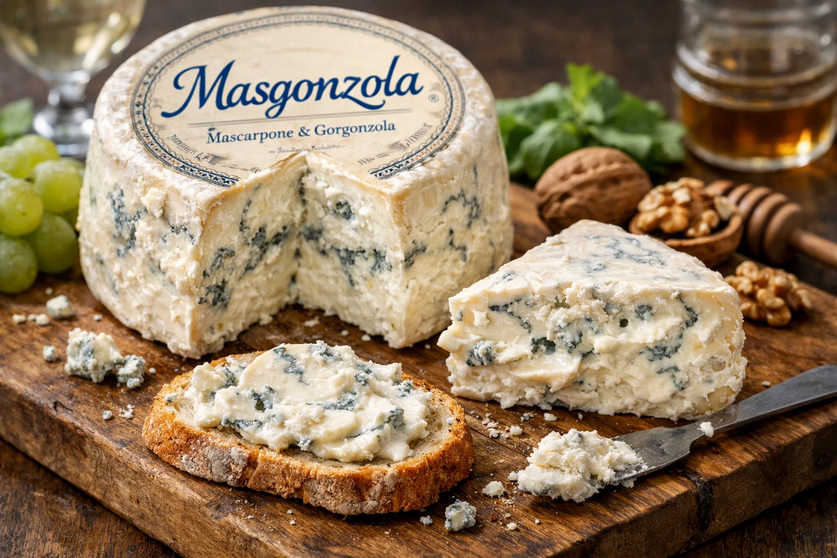
Masgonzola is a semi-soft, artisan cheese crafted as a fusion between Mascarpone and Gorgonzola. It delivers a creamy, spreadable consistency paired with subtle blue veining, resulting in a balanced profile that feels indulgent yet approachable. Unlike traditional blue cheeses that can be sharp and intense, this variety is designed to offer a gentler experience.
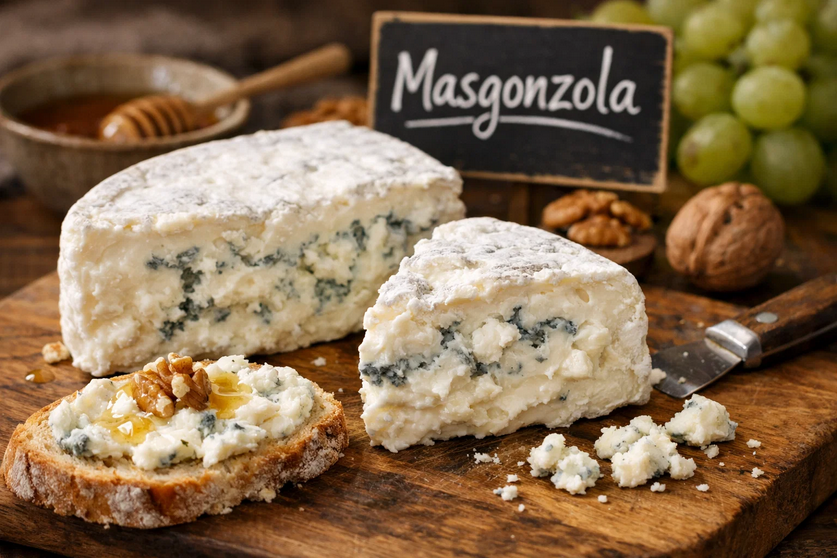
The cheese’s appearance is equally inviting. A pale, buttery interior is streaked with fine blue-green marbling, signaling controlled mold development. Its texture allows it to be used in multiple ways, from spreading over bread to melting into sauces. This versatility makes it appealing not only to experienced cheese lovers but also to those new to blue-style cheeses.
The Origins and Meaning Behind the Name
The name Masgonzola is a linguistic blend that reflects its composition. It merges “Mascarpone” and “Gorgonzola,” two iconic Italian cheeses known for their distinct characteristics. This naming approach highlights the concept of hybridization in modern cheesemaking, where tradition meets experimentation.
Food historians suggest that such cheeses emerged from artisan dairies seeking to soften the intensity of blue cheeses while preserving their complexity. By introducing creamier bases and adjusting mold cultures, cheesemakers created products that appeal to broader audiences. Over time, these innovations evolved into recognized categories, with this cheese becoming a standout example of the trend.
Flavor Profile, Texture, and Aroma
One of the defining qualities of Masgonzola is its layered sensory experience. The first impression is smooth and slightly sweet, reminiscent of fresh cream. As it develops on the palate, mild tangy notes and earthy undertones emerge, offering depth without harshness.
Its texture is particularly noteworthy. It sits between soft and structured, meaning it can be:
- Spread easily on bread or crackers
- Sliced for presentation on cheese boards
- Melted smoothly into hot dishes
The aroma is gentle and inviting, with faint lactic and yeasty notes. Unlike stronger blue cheeses, it avoids overpowering scents, making it more accessible to a wider audience.
How Masgonzola Is Made
The production process combines traditional cheesemaking techniques with modern adjustments. It typically begins with high-quality cow’s milk, which is gently heated and inoculated with starter cultures. These cultures initiate fermentation, laying the foundation for flavor development.
A carefully measured blue-mold culture is then introduced. This step is crucial, as it determines the intensity of the final product. After coagulation, the curds are cut, drained, and often enriched with additional cream to enhance smoothness.
The cheese is placed into molds and lightly pressed. It is then pierced with stainless steel needles, allowing oxygen to circulate and encourage the formation of blue veins. Aging takes place in a controlled environment, where humidity and temperature are carefully managed. This process ensures a balanced maturation that avoids excessive sharpness.
Nutritional Value and Health Considerations
Masgonzola is a nutrient-rich food that provides both energy and essential micronutrients. Like many cheeses, it contains:
- Protein, supporting muscle maintenance
- Calcium, essential for bone health
- Vitamin B12, important for energy metabolism
- Phosphorus, aiding cellular function
However, it is also relatively high in fat and calories. This makes portion control important for those managing dietary intake. The good news is that its strong flavor means small amounts can go a long way in enhancing dishes.
In balanced diets, it works best as an accent rather than a primary ingredient. Pairing it with vegetables, grains, or fruits can create satisfying meals without excessive calorie consumption.
Where Masgonzola Is Produced
This cheese is commonly crafted in regions known for their dairy expertise, particularly Northern Italy, France, and parts of Central Europe. Small-scale artisan dairies dominate production, focusing on quality over quantity.
Regional differences influence flavor and texture. Some producers emphasize creaminess, while others lean toward a more pronounced blue character. These variations provide an opportunity for consumers to explore different styles and discover personal preferences.
Many versions are available through:
- Specialty food stores
- Gourmet delis
- Farmers’ markets
- Online artisan cheese retailers
Culinary Uses and Pairing Ideas
Masgonzola is incredibly versatile in the kitchen. Its creamy consistency and balanced flavor make it suitable for both simple snacks and elaborate dishes.
Popular culinary uses include:
- Spreading on crostini with honey or figs
- Filling for ravioli or tortellini
- Melting into pasta sauces or risotto
- Adding depth to burgers and sandwiches
It pairs beautifully with a range of ingredients. Some classic combinations include:
- Fresh or dried fruits like pears and apricots
- Nuts such as walnuts and almonds
- Crusty bread and artisanal crackers
- Wines like Pinot Grigio, Chardonnay, or Merlot
These pairings enhance its natural sweetness and mild tang, creating a harmonious dining experience.
How to Store and Serve It Properly
Proper storage is essential to maintain quality. Masgonzola should be kept refrigerated and wrapped in parchment paper, followed by a loose layer of plastic wrap. This method allows it to breathe while preventing moisture loss.
Before serving, it’s best to let the cheese sit at room temperature for about 15–20 minutes. This helps soften the texture and intensify the flavor. Once opened, it should be consumed within a few days to ensure freshness.
Always check for any unusual odors or textures, as these can indicate spoilage beyond the intended blue marbling.
Role in the Modern Food Scene
In recent years, Masgonzola has gained popularity as part of a broader movement toward innovative, hybrid foods. Chefs appreciate its ability to deliver complexity without overwhelming diners, making it ideal for contemporary menus.
Restaurants often feature it in creative dishes such as:
- Stuffed figs wrapped in prosciutto
- Creamy mushroom risotto
- Gourmet flatbreads and pizzas
Its growing presence in food media and culinary shows has further boosted its reputation. As a result, it has transitioned from a niche product to a recognized choice among gourmet ingredients.
What Makes Masgonzola Unique?
Several factors set this cheese apart from traditional varieties. First is its balanced flavor, which bridges the gap between mild and bold profiles. Second is its adaptability, allowing it to function in multiple culinary roles.
It can serve as:
- A spread for appetizers
- A melting component in hot dishes
- A finishing touch for salads and grains
This flexibility makes it valuable for both casual cooking and fine dining. It offers sophistication without requiring complex preparation techniques.
How to Choose a High-Quality Product
Selecting a good Masgonzola involves paying attention to visual and sensory details. Look for evenly distributed blue veins, as this indicates proper aging. The texture should feel smooth and slightly firm, not overly wet or dry.
The aroma should be clean and mildly tangy. Strong ammonia-like smells are a sign of over-aging. When possible, consult a knowledgeable cheesemonger who can provide insights into the product’s origin and quality.
Sampling before purchasing larger quantities is also a practical way to ensure satisfaction.
Masgonzola and Modern Eating Trends
Today’s consumers are increasingly drawn to foods that offer high quality in smaller portions. Masgonzola aligns perfectly with this approach. Its rich flavor means even a small amount can elevate a dish significantly.
It also fits into trends emphasizing mindful eating and ingredient transparency. Many producers focus on sustainable practices, including local milk sourcing and minimal processing. This adds an ethical dimension to its appeal.
When paired with fresh vegetables or whole grains, it contributes to balanced meals that feel indulgent without being excessive.
Using Masgonzola in Everyday Cooking
In home kitchens, Masgonzola simplifies flavor building. Because it combines creaminess and tang in one ingredient, it reduces the need for multiple components.
Simple ways to use it include:
- Spreading on toasted bread with honey
- Stirring into pasta with peas or spinach
- Crumbling over salads with nuts and fruit
These dishes require minimal effort but deliver impressive results. As confidence grows, cooks can experiment with baking, stuffing, or blending it into sauces.
Sustainability and Ethical Production
Many producers of Masgonzola prioritize sustainable and ethical practices. Small-scale dairies often focus on animal welfare, responsible sourcing, and environmentally friendly production methods.
Consumers interested in sustainability can look for:
- Locally sourced milk
- Organic or pasture-raised certifications
- Transparent production processes
Supporting these producers helps preserve traditional cheesemaking while promoting responsible food systems.
The Future of Masgonzola
As global tastes continue to evolve, Masgonzola is well-positioned to grow in popularity. Its hybrid nature reflects a broader trend toward culinary innovation, where boundaries between traditional categories are reimagined.
Future variations may include:
- Different milk blends
- Herb-infused versions
- Smoked or aged adaptations
Chefs are also experimenting with cross-cultural applications, incorporating it into dishes inspired by global cuisines. This ongoing evolution ensures that it remains relevant and exciting in the culinary world.
Conclusion
Masgonzola represents a thoughtful blend of tradition and innovation. Its creamy texture, balanced flavor, and wide-ranging versatility make it a standout choice for anyone interested in gourmet food. Whether used in simple recipes or refined dishes, it offers a unique experience that bridges the gap between comfort and sophistication. As more people discover its appeal, it is likely to remain a prominent feature in modern kitchens and dining tables alike.
Frequently Asked Questions (FAQs)
What is Masgonzola made from?
It is typically made from cow’s milk, combining elements of mascarpone and blue cheese cultures to create a creamy, mildly tangy product.
Does Masgonzola taste strong like blue cheese?
No, it has a much milder flavor compared to traditional blue cheeses, making it suitable for those who prefer subtle tastes.
How should Masgonzola be served?
It is best served slightly softened at room temperature, allowing its texture and flavor to fully develop.
Can it be used in cooking?
Yes, it melts well and works beautifully in pasta, risotto, sauces, and baked dishes.
Is Masgonzola healthy?
It contains protein and calcium but should be consumed in moderation due to its fat and calorie content.
Where can I buy Masgonzola?
It is available in specialty cheese shops, gourmet stores, and some online retailers.
How long does Masgonzola last?
Once opened, it should be consumed within a few days and kept properly refrigerated to maintain freshness.
Get more updates or Stories on The AI Pedia
