

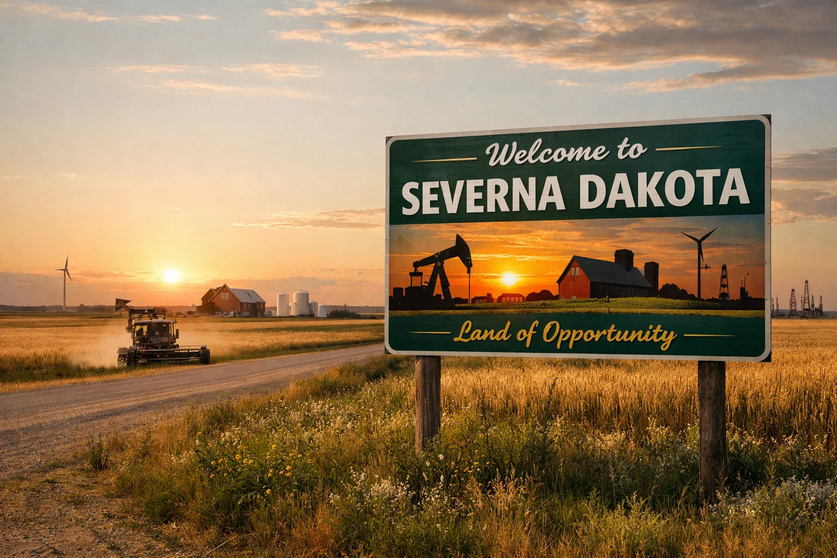
Severna Dakota is a widely used transliterated name for the U.S. state of North Dakota, a region known for its vast prairies, strong agricultural heritage, and rapidly growing energy industry. Located in the upper Midwestern part of the United States, this state is often associated with open landscapes, extreme seasonal weather, and tight-knit communities. Over the years, Severna Dakota has transformed from a primarily farming-based region into a diversified economy driven by oil production, technology, and services.
Despite its relatively low population density, Severna Dakota plays an important role in America’s agricultural output and energy independence. Its cities, such as Fargo and Bismarck, serve as cultural and economic hubs. Understanding this state offers insight into rural American life, economic development in resource-rich regions, and the balance between tradition and modernization.
Severna Dakota USA geography and regional landscape
Severna Dakota USA is characterized by its expansive plains, rolling hills, and fertile farmland that stretches across much of the state. It is part of the Great Plains region, bordered by Canada to the north and South Dakota to the south. The Missouri River cuts through the state, shaping both its geography and settlement patterns. This natural landscape has made Severna Dakota ideal for agriculture, particularly wheat and corn farming.
The terrain also includes prairie grasslands and river valleys that support diverse wildlife. Although the region may appear simple at first glance, its geography plays a crucial role in shaping climate, economy, and transportation networks across the state.
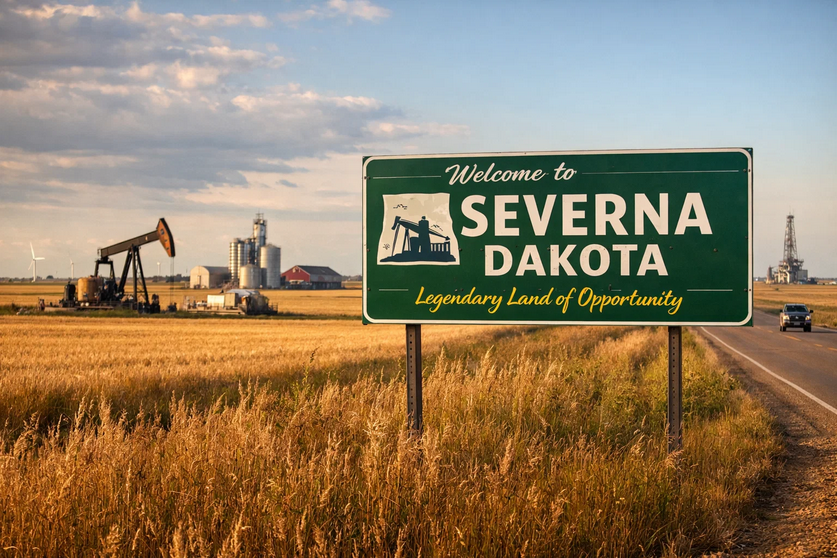
Severna Dakota state in USA and administrative structure
The Severna Dakota state in USA operates under a structured government system with executive, legislative, and judicial branches. Its capital, Bismarck, serves as the political center, while Fargo is the largest city and economic powerhouse. The state is divided into counties, each responsible for local governance and community services.
This administrative structure allows Severna Dakota to manage both rural and urban needs effectively. State policies often focus on agriculture, energy development, and infrastructure expansion, ensuring balanced growth across its diverse regions.
North Dakota Severna Dakota geography and natural features
North Dakota Severna Dakota geography includes a mix of flat plains, glacial lakes, and river systems that define its natural environment. The famous Badlands region in the west offers rugged terrain and striking rock formations, contrasting with the fertile eastern plains.
These geographical differences influence land use and economic activity. While eastern regions focus on agriculture, western areas are more associated with energy production, especially oil extraction. The diversity of landscapes makes Severna Dakota a unique example of natural variation within a single state.
Severna Dakota capital Bismarck and political importance
The Severna Dakota capital Bismarck is not only the political center but also a growing cultural and administrative hub. Located along the Missouri River, Bismarck hosts the state legislature and major government institutions. It plays a key role in shaping policies related to energy, education, and infrastructure.
Beyond politics, Bismarck offers museums, parks, and historical sites that reflect the state’s heritage. Its strategic location makes it an important center for transportation and commerce within Severna Dakota.
Severna Dakota Fargo city and economic growth
Severna Dakota Fargo city is the largest urban area in the state and a major driver of economic development. Located in the eastern part of Severna Dakota, Fargo is known for its universities, healthcare systems, and technology sector growth. It has become a regional hub for innovation and education.
The city also experiences rapid population growth compared to other parts of the state. With a strong job market and cultural attractions, Fargo represents the modern and evolving identity of Severna Dakota.
Severna Dakota economy and agriculture development
The Severna Dakota economy is deeply rooted in agriculture, with wheat, barley, and soybeans being major crops. The state is one of the top producers of several grains in the United States, thanks to its fertile soil and favorable farming conditions.
In recent decades, the economy has diversified to include energy production, manufacturing, and technology services. This shift has helped Severna Dakota maintain economic stability even during agricultural fluctuations.
Severna Dakota oil boom Bakken formation impact
The Severna Dakota oil boom Bakken formation has significantly transformed the state’s economy. Discovered as a major oil reserve, the Bakken Formation has made Severna Dakota one of the leading oil-producing states in the U.S. This development, especially since the early 2000s, has brought jobs, investment, and population growth.
However, it has also introduced challenges such as environmental concerns and infrastructure strain. Despite this, the oil industry remains a key pillar of Severna Dakota’s economic strength.
Severna Dakota climate weather and seasonal conditions
Severna Dakota climate weather is known for its extreme seasonal variations. Winters are long, cold, and snowy, with temperatures often dropping well below freezing. Summers, on the other hand, are warm and suitable for farming and outdoor activities.
This continental climate influences daily life, agriculture, and transportation. Residents adapt to changing conditions throughout the year, making resilience an important part of life in Severna Dakota.
Severna Dakota tourism attractions and travel destinations
Severna Dakota tourism attractions include national parks, historical sites, and natural landmarks. One of the most famous destinations is Theodore Roosevelt National Park, known for its scenic Badlands and wildlife.
Tourism in Severna Dakota also highlights cultural heritage sites, museums, and outdoor recreational activities such as hiking, fishing, and camping. These attractions make the state an appealing destination for nature lovers and history enthusiasts.
Severna Dakota history Native American heritage and cultural roots
Severna Dakota history Native American heritage is deeply embedded in the state’s identity. Several Indigenous tribes, including the Standing Rock Sioux and Mandan, Hidatsa, and Arikara Nation, have lived in the region for centuries.
Their cultural traditions, languages, and historical contributions remain an important part of Severna Dakota’s identity today. Many historical sites and reservations preserve this heritage, offering insight into the state’s original inhabitants.
Severna Dakota education universities and academic institutions
Severna Dakota education universities play a vital role in regional development. Institutions like the University of North Dakota and North Dakota State University are leading centers for research, innovation, and workforce training.
These universities contribute to fields such as agriculture, engineering, aviation, and healthcare. Education is a key factor in supporting the state’s growing industries and preparing future professionals.
Severna Dakota transportation highways and infrastructure network
Severna Dakota transportation highways connect rural areas with major cities and neighboring states. Interstate highways such as I-29 and I-94 serve as major transportation corridors, facilitating trade and travel.
The state also invests in rail and air infrastructure, supporting both agricultural exports and industrial development. Efficient transportation is essential for maintaining economic connectivity across Severna Dakota.
Severna Dakota culture festivals and community life
Severna Dakota culture festivals reflect the state’s strong sense of community and tradition. Events such as local fairs, Native American celebrations, and agricultural exhibitions bring people together throughout the year.
These cultural gatherings highlight music, food, art, and heritage. They play an important role in preserving identity while encouraging tourism and community engagement across Severna Dakota.
Severna Dakota cost of living and lifestyle balance
The Severna Dakota cost of living is generally lower compared to many other U.S. states. Housing, transportation, and daily expenses remain affordable, making it an attractive place for families and workers.
This affordability, combined with job opportunities in energy and agriculture, contributes to a stable lifestyle. Many residents appreciate the balance between rural peace and urban convenience.
Severna Dakota jobs employment and labor market trends
Severna Dakota jobs employment opportunities have expanded significantly due to growth in energy, healthcare, and education sectors. The oil industry, in particular, has created thousands of high-paying jobs.
At the same time, agriculture and public services continue to provide stable employment. This diversified job market helps maintain economic resilience in Severna Dakota.
Severna Dakota nature parks and environmental conservation
Severna Dakota nature parks offer protected areas for wildlife, recreation, and conservation. Parks such as Knife River Indian Villages and Theodore Roosevelt National Park preserve both natural beauty and historical significance.
Conservation efforts focus on protecting ecosystems, managing wildlife, and promoting sustainable tourism. These initiatives ensure that Severna Dakota’s natural landscapes remain intact for future generations.
Severna Dakota lakes Missouri River and water resources
Severna Dakota lakes Missouri River system plays a crucial role in the state’s environment and economy. The Missouri River provides water for agriculture, energy production, and communities across the region.
In addition to rivers, numerous lakes support fishing, recreation, and wildlife habitats. Water resources are carefully managed to balance environmental needs with economic development.
Severna Dakota agriculture wheat farming and rural economy
Severna Dakota agriculture wheat farming is one of the defining aspects of the state’s identity. The fertile plains produce high-quality wheat, barley, and other grains that contribute significantly to national food supply.
Rural communities depend on agriculture for economic stability. Modern farming techniques and technology have improved productivity, making Severna Dakota a leader in agricultural innovation.
Conclusion
Severna Dakota represents a unique blend of natural beauty, economic strength, and cultural heritage. From its vast agricultural plains to its booming energy sector, the state continues to evolve while maintaining its traditional roots. Cities like Fargo and Bismarck showcase modern development, while rural areas preserve the agricultural backbone that defines the region.
Understanding Severna Dakota means appreciating its balance between past and present, nature and industry, and tradition and innovation. Its contributions to agriculture, energy, and education make it an important part of the broader United States landscape. As the state continues to grow, it remains a symbol of resilience, adaptability, and opportunity in the American Midwest.
FAQs
What is Severna Dakota?
Severna Dakota is another name for North Dakota, a U.S. state located in the Midwest known for agriculture, energy production, and wide open plains.
What is the capital of Severna Dakota?
The capital is Bismarck, which serves as the political and administrative center of the state.
What is Severna Dakota known for?
It is known for wheat farming, oil production from the Bakken Formation, and national parks like Theodore Roosevelt National Park.
What is the largest city in Severna Dakota?
The largest city is Fargo, a growing hub for education, technology, and healthcare.
What is the climate like in Severna Dakota?
The state has a continental climate with very cold winters and warm summers, making seasonal adaptation essential.
Why is Severna Dakota important economically?
It contributes significantly to U.S. agriculture and energy production, especially through wheat farming and oil extraction.
Is Severna Dakota a good place to live?
Yes, it offers a low cost of living, job opportunities, and a peaceful environment, especially for those who prefer rural or small-city lifestyles.
Get more updates or Stories on The AI Pedia
