

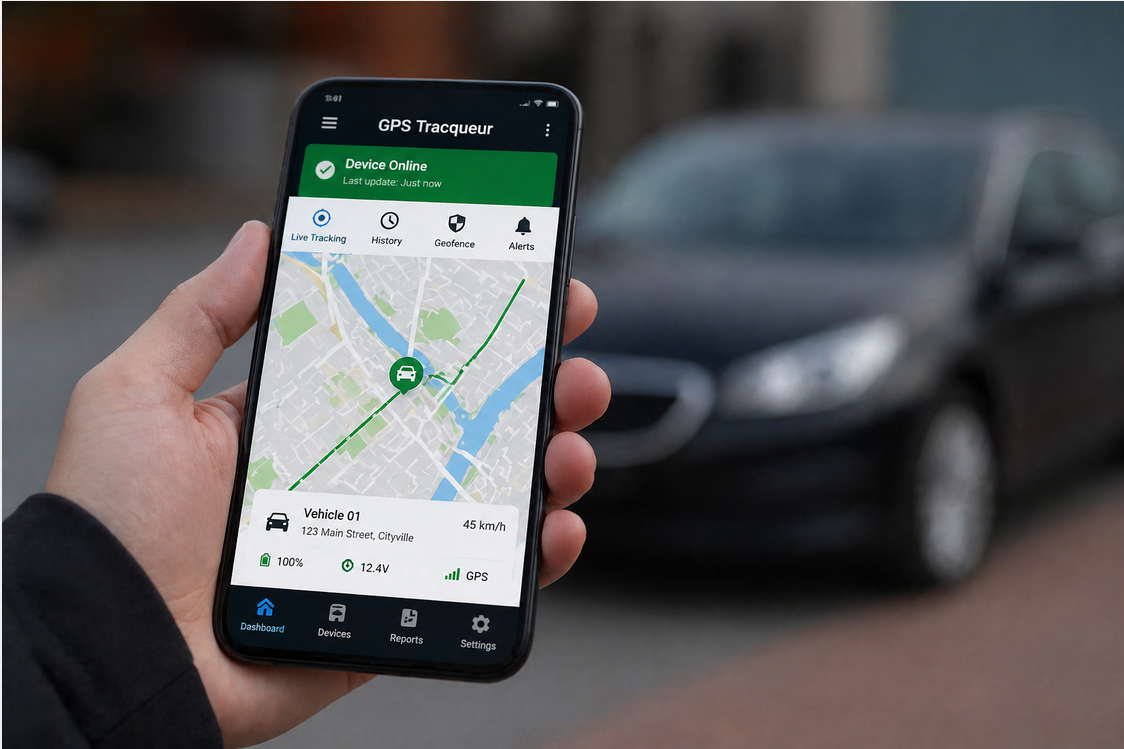
In a world driven by data and connectivity, tracking technologies have become an integral part of everyday life. From monitoring fitness activities to securing valuable assets, tools known as tracqueur systems are shaping how individuals and businesses interact with information. The term itself, derived from the French word for “tracker,” reflects a wide range of technologies designed to monitor, record, and analyze movement or behavior. Understanding how these systems work reveals their growing importance in both personal and professional environments.
What Is a Tracqueur?
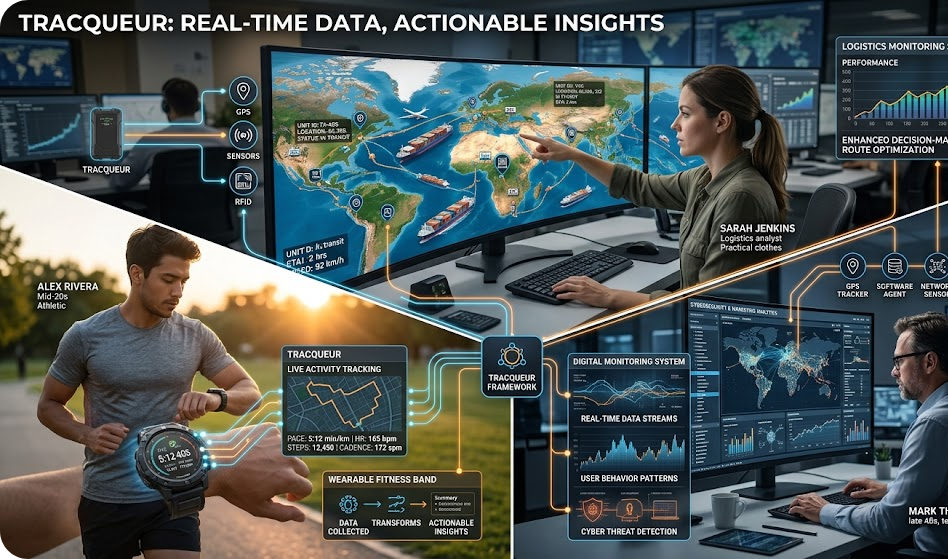
A tracqueur refers to any device, software, or system used to track location, activity, or data in real time. It can range from simple GPS trackers to advanced digital monitoring systems used in cybersecurity and marketing analytics.
At its core, this technology collects data and transforms it into actionable insights. Whether it is a wearable fitness band or a logistics tracking system, the primary goal remains the same: to provide accurate, real-time information that enhances decision-making.
The versatility of tracking solutions has led to their adoption across multiple industries, making them an essential component of modern technological ecosystems.
The Evolution of Tracqueur Technology
The development of tracqueur systems has been closely tied to advancements in communication and computing technologies. Early tracking methods relied heavily on manual observation and basic radio signals, which offered limited accuracy and reliability.
The introduction of Global Positioning System (GPS) technology in the late 20th century revolutionized tracking capabilities. By enabling precise location detection anywhere on Earth, GPS laid the foundation for modern tracking systems.
Over time, innovations such as cloud computing, mobile connectivity, and artificial intelligence have further enhanced tracking solutions. Today’s systems are faster, smarter, and more efficient, capable of processing vast amounts of data in real time.
Types of Tracqueur Systems
Tracking technologies come in various forms, each designed for specific purposes. Understanding these types helps users select the right solution for their needs.
GPS Trackers
GPS-based systems are among the most common types of tracqueur devices. They use satellite signals to determine the exact location of an object or person.
These trackers are widely used in:
- Vehicle tracking and fleet management
- Personal safety and child monitoring
- Outdoor navigation and travel
Their accuracy and reliability make them a preferred choice for location-based tracking.
Digital and Web Trackers
Digital tracking tools monitor online behavior, collecting data about user interactions on websites and applications. These systems are essential for businesses aiming to understand customer preferences.
Common applications include:
- Website analytics and performance tracking
- Advertising and marketing optimization
- User behavior analysis
Such tools help organizations improve user experience and increase engagement.
Fitness and Health Trackers
Wearable devices represent another important category of tracqueur systems. These gadgets monitor physical activity, heart rate, sleep patterns, and more.
They are popular among individuals seeking to maintain a healthy lifestyle. By providing real-time feedback, they encourage users to stay active and make informed health decisions.
Asset and Inventory Trackers
Businesses rely on tracking systems to manage inventory and monitor valuable assets. These tools ensure that items are accounted for and easily traceable.
Applications include:
- Warehouse management
- Supply chain optimization
- Theft prevention and recovery
Such systems enhance operational efficiency and reduce losses.
How Tracqueur Systems Work
The functionality of a tracqueur depends on its type, but most systems follow a similar process. They collect data through sensors or signals, transmit this information to a central system, and then analyze it for actionable insights.
For example, a GPS tracker receives satellite signals to determine location. This data is then transmitted via mobile networks to a server, where it is processed and displayed to the user through an application or dashboard.
Key components typically include:
- Sensors or signal receivers for data collection
- Communication modules for data transmission
- Software platforms for analysis and visualization
This integrated approach ensures accurate and reliable tracking.
Benefits of Using Tracqueur Technology
The widespread adoption of tracqueur systems is driven by their numerous advantages. These technologies offer significant benefits for both individuals and organizations.
Some of the most notable advantages include:
- Real-Time Monitoring: Provides instant updates on location or activity
- Improved Security: Helps protect assets and ensure personal safety
- Enhanced Efficiency: Streamlines operations and reduces manual effort
- Data-Driven Decisions: Offers valuable insights for better planning
- Cost Savings: Minimizes losses and optimizes resource utilization
These benefits make tracking systems an essential tool in today’s data-driven world.
Tracqueur in Business and Industry
Businesses across various sectors rely on tracqueur technology to improve operations and gain a competitive edge. From logistics to retail, tracking systems play a crucial role in modern enterprises.
In logistics, companies use GPS trackers to monitor vehicle movements and optimize delivery routes. This reduces fuel consumption and ensures timely deliveries.
In retail, digital tracking tools analyze customer behavior, helping businesses tailor their marketing strategies. By understanding user preferences, companies can create personalized experiences that drive engagement and sales.
Privacy and Ethical Considerations
While tracqueur systems offer numerous benefits, they also raise important privacy and ethical concerns. The collection and use of personal data must be handled responsibly to avoid misuse.
Key considerations include:
- Data Protection: Ensuring that collected information is securely stored
- User Consent: Obtaining permission before tracking individuals
- Transparency: Clearly communicating how data is used
- Regulatory Compliance: Adhering to data protection laws and guidelines
Balancing innovation with ethical responsibility is essential for maintaining trust and ensuring sustainable use of tracking technologies.
The Role of Artificial Intelligence in Tracqueur Systems
Artificial Intelligence (AI) is transforming the capabilities of tracqueur technology. By analyzing large datasets, AI can identify patterns and make predictions that enhance tracking accuracy.
For instance, AI-powered systems can predict traffic conditions and suggest optimal routes for delivery vehicles. In healthcare, they can analyze activity data to detect potential health issues.
This integration of AI not only improves efficiency but also opens new possibilities for innovation, making tracking systems smarter and more adaptive.
Future Trends in Tracking Technology
The future of tracqueur systems is shaped by continuous technological advancements. As connectivity improves and data becomes more accessible, tracking solutions are expected to become even more sophisticated.
Emerging trends include:
- Integration with Internet of Things (IoT) devices
- Enhanced real-time analytics and automation
- Greater focus on data privacy and security
- Miniaturization of tracking devices
- Expansion into new industries and applications
These developments indicate that tracking technology will continue to evolve, offering new opportunities for growth and innovation.
Challenges and Limitations
Despite their advantages, tracqueur systems face certain challenges that must be addressed. These limitations can impact their effectiveness and adoption.
Common challenges include:
- Dependence on connectivity and network availability
- Potential data breaches and security risks
- High initial implementation costs
- Complexity in system integration
Addressing these issues requires ongoing innovation and collaboration between technology providers and users.
Why Tracqueur Matters in Today’s World
The significance of tracqueur technology lies in its ability to transform data into meaningful insights. In an era where information is power, tracking systems provide the tools needed to stay informed and make better decisions.
From enhancing personal safety to optimizing business operations, these technologies play a vital role in modern society. Their adaptability and versatility ensure that they remain relevant across various domains.
As digital transformation continues, the importance of tracking systems will only grow, shaping the future of how we interact with technology.
Conclusion
Tracqueur technology represents a powerful intersection of data, connectivity, and innovation. By enabling real-time monitoring and analysis, it has become an indispensable tool in both personal and professional contexts.
As advancements in AI, IoT, and data analytics continue to evolve, tracking systems will become even more sophisticated and impactful. Understanding their capabilities and limitations is essential for leveraging their full potential while maintaining ethical standards.
In a rapidly changing digital landscape, embracing these technologies can provide a significant advantage, helping individuals and organizations navigate the complexities of the modern world.
Frequently Asked Questions
1. What does tracqueur mean?
A tracqueur refers to a tracking device or system used to monitor location, activity, or data in real time across various applications.
2. How do tracqueur devices work?
They collect data through sensors or signals, transmit it via communication networks, and analyze it using software to provide actionable insights.
3. Are tracqueur systems safe to use?
Yes, but users should ensure proper data protection measures and choose reputable providers to minimize security risks.
4. Where are tracqueur systems commonly used?
They are used in industries such as logistics, healthcare, fitness, marketing, and personal security.
5. Do tracqueur devices require internet connectivity?
Most modern systems rely on internet or mobile networks for real-time data transmission, though some can store data offline temporarily.
6. What are the benefits of using tracqueur technology?
Benefits include improved efficiency, enhanced security, real-time monitoring, and better decision-making through data analysis.
7. What is the future of tracqueur technology?
The future includes integration with AI and IoT, improved analytics, stronger security measures, and wider adoption across industries.
Get more updates or Stories on The AI Pedia
