

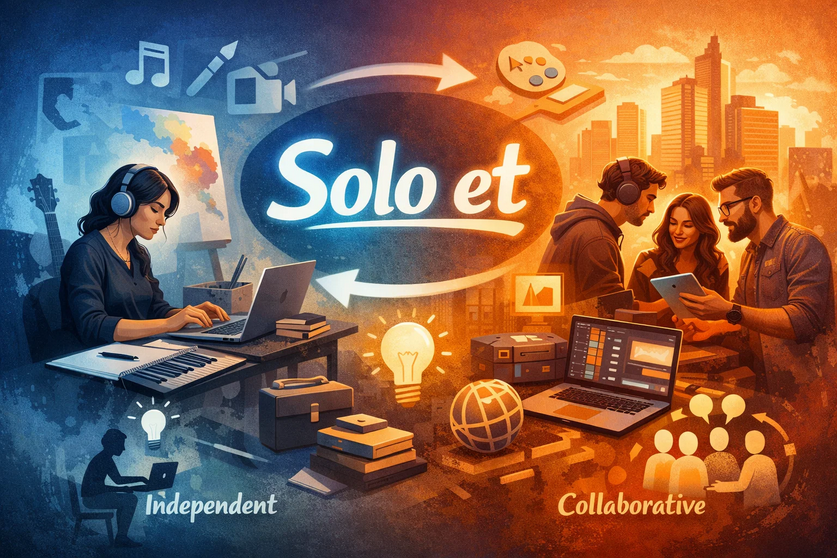
The concept of solo et represents a modern creative philosophy that blends independent work with collaborative interaction. It appears across music, art, digital production, and entrepreneurship, where individuals move fluidly between working alone and engaging with others. This balance has become increasingly important in today’s fast-paced creative economy, where flexibility and adaptability define success. Understanding solo et helps creators develop stronger identity, better workflow habits, and more meaningful output in both personal and professional contexts
Solo et meaning in modern context and creative culture
The solo et meaning in today’s creative culture refers to the dual approach of working independently while remaining open to collaboration. It reflects a mindset where individual expression is not isolated but complemented by shared ideas. In modern industries, this concept is especially relevant for freelancers, artists, and digital creators who often switch between personal projects and group efforts. The idea emphasizes balance, allowing creativity to thrive without limiting itself to one fixed mode of work.
Solo et concept in music and performance
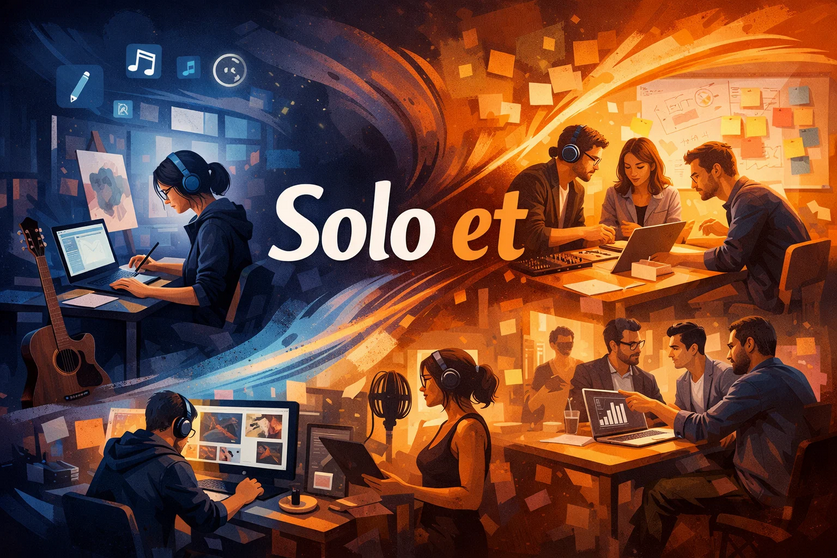
In the world of music, the solo et concept in music highlights the relationship between solo performance and ensemble participation. Musicians often begin by mastering solo expression before integrating into bands or orchestras. This dual experience strengthens technical ability and emotional interpretation. A performer practicing solo et principles learns to maintain individuality while harmonizing with others, creating a richer and more dynamic stage presence that resonates with audiences across genres.
Solo et in visual arts and design expression
The role of solo et in visual arts is deeply tied to how artists develop their unique voice while participating in collaborative exhibitions or collective projects. Independent work allows for experimentation, while group settings encourage feedback and new perspectives. Artists who embrace solo et approaches often produce more versatile portfolios, as they learn to adapt their style without losing personal authenticity. This balance is essential in contemporary art environments where collaboration is increasingly valued.
Solo et collaboration in creative industries
Solo et collaboration in creative industries represents the shift from isolated creativity to interconnected workflows. Designers, writers, and developers frequently alternate between working alone and contributing to team-based projects. This dynamic structure improves innovation by combining personal vision with collective intelligence. Within solo et, collaboration is not seen as a limitation but as an extension of individual capability, allowing professionals to expand their creative boundaries while maintaining independence.
Solo et artistic identity and personal expression
Developing a strong solo et artistic identity involves understanding how personal expression evolves through both solitude and interaction. Artists often discover their unique style during solo work, but refine it through external influence. The solo et approach encourages creators to embrace this duality, recognizing that identity is not fixed but continuously shaped. This perspective supports deeper emotional connection in artistic output and allows for more authentic storytelling across different mediums.
Solo et ensemble balance in performance practice
The solo et ensemble balance is a foundational principle in performance arts, particularly in music and theater. Performers must learn how to stand out individually while contributing to a unified group experience. This balance requires awareness, timing, and emotional intelligence. Practicing solo et techniques helps performers understand when to lead and when to support, creating harmony that enhances the overall quality of the performance.
Solo et projects in professional development
Engaging in solo et projects is a powerful method for professional growth. Independent projects allow individuals to develop skills at their own pace, while collaborative assignments introduce real-world challenges and teamwork dynamics. Professionals who adopt the solo et mindset often build stronger portfolios and gain broader experience. This combination improves adaptability, making them more competitive in industries that value both innovation and cooperation.
Solo et learning path and skill development
A structured solo et learning path combines self-paced study with interactive learning experiences. Individuals may begin by mastering foundational skills alone, then apply them in group settings for refinement. This approach enhances retention and practical understanding. The solo et model is particularly effective in creative education, where experimentation and feedback are equally important for growth and mastery.
Solo et digital creation and online platforms
In the digital age, solo et digital creation has become a defining feature of online work. Content creators, developers, and designers often produce independent work while collaborating virtually with global teams. Platforms enable seamless switching between solo tasks and group projects. The solo et framework supports this flexibility, helping creators manage time, maintain focus, and scale their output efficiently in competitive digital environments.
Solo et content creation economy
The rise of the solo et content creation economy reflects how individuals now operate as both creators and collaborators. Influencers, bloggers, and video producers frequently work alone to develop ideas but rely on partnerships for distribution and growth. This hybrid model allows for creative freedom while leveraging collective reach. Within solo et, creators gain autonomy without sacrificing the benefits of shared visibility and audience engagement.
Solo et freelancing and independent work culture
Freelancers often embody the solo et freelancing model, balancing independent contracts with collaborative client relationships. This structure offers flexibility but also requires strong self-management skills. The solo et approach helps freelancers navigate between autonomy and teamwork, ensuring they can deliver personalized work while meeting collaborative expectations. It reflects the modern shift toward decentralized work environments.
Solo et entrepreneurship and business innovation
In entrepreneurship, solo et entrepreneurship plays a crucial role in shaping innovative business models. Founders often start independently, refining ideas before building teams. Even after scaling, they continue to operate in a solo et rhythm, alternating between strategic solo thinking and collaborative execution. This balance supports agility, allowing entrepreneurs to adapt quickly to market changes while maintaining a clear vision.
Solo et productivity workflow strategies
Effective solo et productivity workflows combine focused individual work with structured collaboration sessions. Many professionals use time-blocking techniques to separate deep solo work from team interactions. The solo et system enhances efficiency by reducing distractions during solo phases while maximizing input during collaborative stages. This structured alternation leads to improved output quality and better time management.
Solo et creative psychology and mindset development
The psychological aspect of solo et creative thinking involves balancing introspection with external stimulation. Solo work encourages deep focus and originality, while collaboration introduces new ideas and perspectives. The solo et mindset helps individuals avoid creative burnout by distributing cognitive load between independent and shared tasks. This balance supports long-term creative sustainability.
Solo et future trends in creative economy
The solo et future trends indicate that hybrid working models will continue to dominate creative industries. As technology advances, individuals will increasingly shift between solo digital work and collaborative global projects. The solo et framework is expected to become a standard approach in education, business, and the arts, promoting flexibility and innovation in equal measure.
Solo et challenges and practical solutions
Despite its advantages, solo et practices come with challenges such as time management conflicts and identity dilution. Balancing independence with collaboration can sometimes lead to confusion in priorities. However, structured planning, clear communication, and defined roles help overcome these issues. Embracing solo et effectively requires discipline and adaptability, ensuring that both solo and collaborative efforts remain aligned.
Conclusion
The concept of solo et represents more than just a working style—it is a dynamic philosophy shaping modern creativity. By blending independence with collaboration, individuals can unlock greater flexibility, innovation, and personal growth. Whether in art, business, or digital creation, this balanced approach encourages sustainable success. As industries continue to evolve, solo et will remain a key framework for navigating the intersection of individuality and teamwork.
FAQs
1. What does solo et mean?
It refers to a balanced approach between working independently and collaborating with others in creative or professional environments.
2. Is solo et used only in music?
No, it applies across multiple fields including art, business, digital creation, and entrepreneurship.
3. Why is solo et important in modern work culture?
It promotes flexibility, creativity, and adaptability in fast-changing industries.
4. Can freelancers benefit from solo et principles?
Yes, freelancers often rely on this balance to manage independent and collaborative tasks effectively.
5. How does solo et improve creativity?
It combines focused solo thinking with collaborative input, leading to more innovative ideas.
6. Is solo et a professional strategy?
Yes, it is increasingly used as a productivity and workflow strategy in various industries.
7. What is the future of solo et in digital work?
It is expected to become a standard model for hybrid creative and professional environments.
Get more updates or Stories on The AI Pedia
