
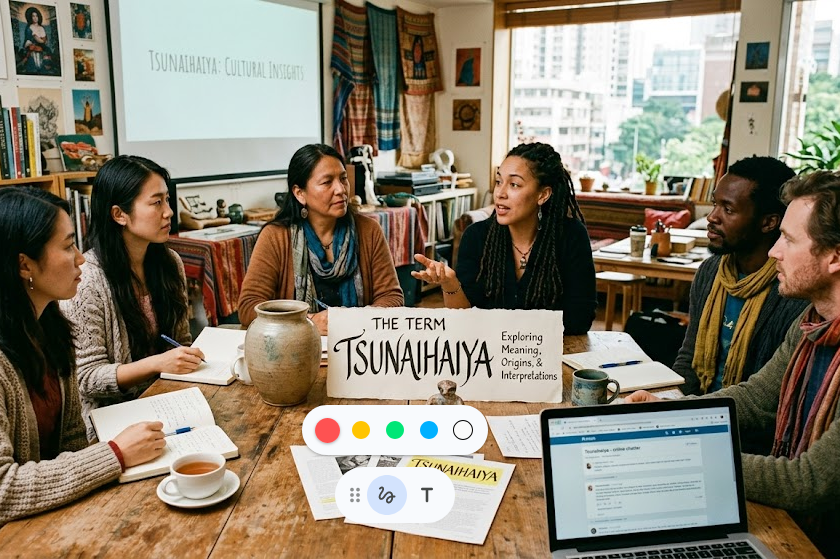
The term tsunaihaiya has recently sparked curiosity across online communities, cultural forums, and creative spaces. Whether encountered in art, storytelling, or emerging digital trends, it carries an air of mystery that invites deeper exploration. This article unpacks its possible meanings, origins, interpretations, and relevance in modern contexts. By combining cultural insight with thoughtful analysis, readers can better understand why this term is gaining attention and how it may evolve in the future.
What Is Tsunaihaiya?
At its core, tsunaihaiya appears to be a conceptual or symbolic term rather than a widely documented word in traditional dictionaries. It is often interpreted through context, making its meaning flexible and open to interpretation. In some discussions, it is associated with emotional connection, while in others, it reflects abstract creativity or identity.
Because of its ambiguous nature, the term resonates differently depending on where it appears. In digital culture, such flexibility often allows a word to gain momentum, especially when it aligns with shared emotions or artistic expression.
Possible Origins and Linguistic Roots
The origin of tsunaihaiya is not definitively established, but many believe it may be inspired by phonetic patterns found in East Asian languages, particularly Japanese. The structure of the word resembles combinations of syllables that often carry layered meanings in poetic or cultural contexts.
Breaking the word into segments can offer speculative insights:
- “Tsunai” could suggest connection or linking
- “Haiya” might evoke expression, emotion, or exclamation
While these interpretations are not officially verified, they help explain why the term feels expressive and symbolic rather than literal.
Cultural Interpretations of Tsunaihaiya
The growing popularity of tsunaihaiya is closely tied to its adaptability across cultures and creative communities. People often assign their own meanings based on personal experiences, making it a shared yet individualized concept.
In artistic spaces, it may symbolize:
- Emotional bonds between individuals
- The blending of tradition and modern identity
- A sense of belonging in a digital world
This flexibility is one of the reasons it continues to gain traction, especially among younger audiences who value fluid and evolving expressions of identity.
Tsunaihaiya in Digital and Online Communities
Digital platforms have played a major role in amplifying the visibility of tsunaihaiya. Social media, forums, and creative hubs allow users to reinterpret and redefine the term through content, hashtags, and storytelling.
Common ways it appears online include:
- As a username or alias, reflecting individuality
- In art captions, symbolizing emotion or connection
- Within short-form content, adding aesthetic or poetic depth
Because online culture thrives on originality, terms like this can quickly gain popularity when they resonate with a broad audience.
Symbolism and Deeper Meaning
Beyond surface-level interpretations, tsunaihaiya can be seen as a symbolic representation of interconnectedness. In a world increasingly shaped by digital interaction, such a concept feels particularly relevant.
Some deeper symbolic meanings include:
- The merging of past and present identities
- The balance between individuality and community
- The expression of unspoken emotions
These interpretations highlight why the term feels meaningful even without a fixed definition. It invites reflection rather than providing a single answer.
Use in Creative Arts and Expression
Artists, writers, and designers have begun incorporating tsunaihaiya into their work as a thematic element. Its abstract nature makes it ideal for creative exploration, allowing individuals to shape its meaning through their medium.
Examples of creative usage:
- Poetry and prose, where it represents emotional depth
- Visual art, symbolizing connection or transformation
- Music and lyrics, expressing intangible feelings
This artistic adoption further strengthens its cultural relevance and ensures its continued evolution.
Why Tsunaihaiya Resonates Today
Modern audiences are drawn to concepts that feel both personal and universal. Tsunaihaiya fits this need by offering a term that can be interpreted in multiple ways while still maintaining emotional depth.
Several factors contribute to its appeal:
- A growing interest in unique and meaningful expressions
- The influence of global digital culture
- The desire for identity beyond traditional labels
As people seek new ways to express themselves, adaptable terms like this naturally gain popularity.
Potential Future of Tsunaihaiya
The future of tsunaihaiya depends on how communities continue to use and redefine it. Like many emerging cultural terms, its longevity will be shaped by its relevance and adaptability.
Possible developments include:
- Becoming a recognized term in creative subcultures
- Evolving into a brand or artistic movement
- Taking on more defined meanings over time
Regardless of its direction, its current trajectory suggests continued interest and reinterpretation.
Practical Ways to Use Tsunaihaiya
For those interested in incorporating tsunaihaiya into their own expression, there are several creative approaches:
- Use it as a personal mantra or symbolic word
- Include it in artistic or written projects
- Adopt it as a unique digital identity
Its flexibility allows it to fit naturally into various forms of expression without strict limitations.
Misconceptions and Clarifications
Because the term lacks a formal definition, misunderstandings can arise. Some may assume it has a specific cultural or linguistic origin, while others may treat it as purely fictional.
Important clarifications:
- It is not officially defined in mainstream dictionaries
- Its meaning is context-dependent
- It is best understood as a concept rather than a fixed term
Recognizing these points helps prevent misinterpretation while preserving its creative value.
Conclusion
Tsunaihaiya stands as a fascinating example of how language evolves in the digital age. Without a fixed definition, it thrives on interpretation, creativity, and emotional resonance. Its growing presence in online communities and artistic spaces highlights a broader shift toward flexible and meaningful expression.
As people continue to explore identity, connection, and creativity, terms like this will likely play an important role in shaping modern communication. Whether used in art, storytelling, or personal reflection, it offers a unique way to express what words often struggle to capture.
FAQs
1. What does tsunaihaiya mean?
It does not have a single fixed meaning. It is generally interpreted as a symbolic or expressive term related to connection, emotion, or identity.
2. Is tsunaihaiya a real word?
It is not officially recognized in dictionaries but is used in digital and creative contexts as a conceptual term.
3. Where did tsunaihaiya originate?
Its exact origin is unclear, though it may be inspired by phonetic elements found in East Asian languages.
4. How is tsunaihaiya used online?
It appears in usernames, art captions, and creative content, often representing individuality or emotional expression.
5. Can tsunaihaiya have different meanings?
Yes, its meaning varies depending on context and personal interpretation.
6. Why is tsunaihaiya becoming popular?
Its flexibility and emotional depth make it appealing in modern digital culture, where unique expression is valued.
7. Can I use tsunaihaiya in my own work?
Absolutely. Its open-ended nature makes it suitable for artistic, personal, and creative use.
Get more updates or Stories on The AI Pedia
