

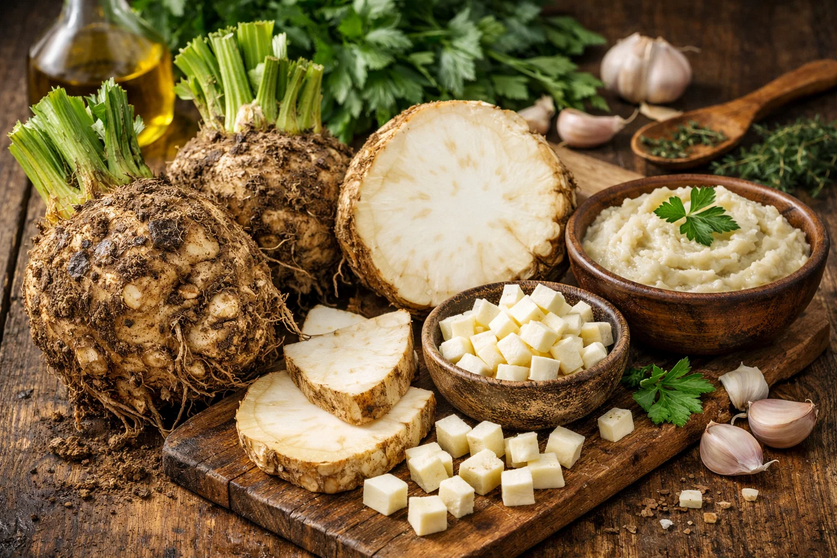
At first glance, pravi celer may not win any beauty contests. Its rough, knobby exterior often hides beneath soil, making it easy to overlook in the produce aisle. Yet beneath that rugged surface lies one of the most nutritious and versatile root vegetables available. Known for its subtle celery-like flavor and creamy texture, it has been a staple in European kitchens for centuries. Today, it is gaining global recognition for both its culinary adaptability and impressive health benefits.
What is pravi celer?
Pravi celer refers to celeriac, a variety of celery grown specifically for its edible root rather than its stalks. Unlike common celery, this root vegetable offers a denser texture and a slightly nutty, earthy taste. It belongs to the Apiaceae family, which also includes carrots, parsley, and fennel.
This vegetable thrives in cooler climates and is typically harvested in autumn and winter. Its versatility allows it to be eaten raw, roasted, mashed, or even blended into soups, making it a valuable ingredient in both traditional and modern cuisines.
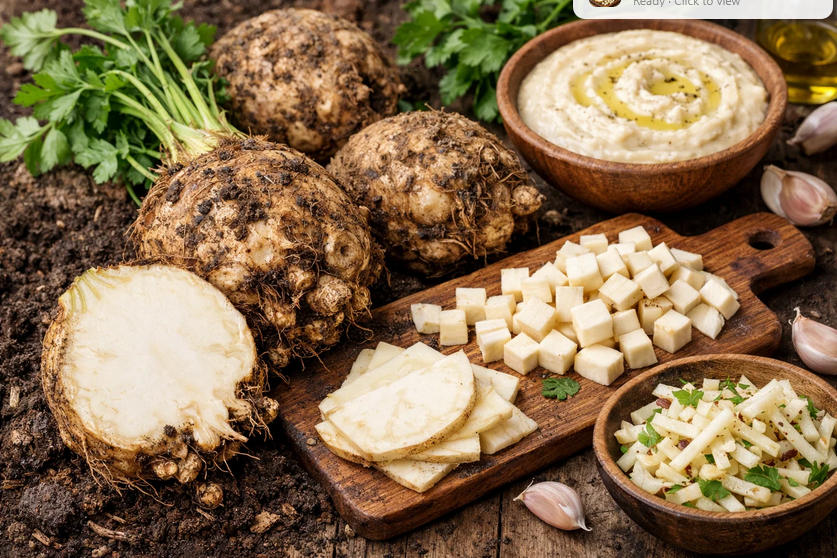
Celeriac root vegetable benefits
The celeriac root vegetable is rich in essential nutrients, offering a balanced combination of vitamins, minerals, and fiber. Its low-calorie content makes it ideal for those seeking healthier dietary options without compromising flavor.
It is particularly high in vitamin K, vitamin C, potassium, and antioxidants, which contribute to improved heart health and immune support. Including it regularly in meals can help maintain overall wellness while adding a unique taste to dishes.
Health benefits of pravi celer
The health benefits of pravi celer extend beyond basic nutrition. Its high fiber content supports digestion and helps regulate blood sugar levels, making it suitable for people managing diabetes or weight concerns.
Additionally, its antioxidants help combat inflammation and oxidative stress. Regular consumption may contribute to reduced risk of chronic diseases, including cardiovascular conditions, while also supporting bone health due to its vitamin K content.
Nutritional value of celeriac
Understanding the nutritional value of celeriac highlights why it is often recommended by nutritionists. A single serving provides a significant portion of daily nutrient requirements without excessive calories.
Key nutrients include:
- Vitamin K for bone strength
- Vitamin C for immunity
- Potassium for heart function
- Dietary fiber for digestion
This nutrient density makes it an excellent addition to balanced diets, especially for those seeking natural, whole-food nutrition.
How to cook pravi celer
Learning how to cook pravi celer opens the door to a wide range of culinary possibilities. Its firm texture softens beautifully when cooked, creating a creamy consistency similar to potatoes.
Popular cooking methods include:
- Roasting with olive oil and herbs
- Boiling and mashing as a low-carb alternative
- Blending into soups for a velvety texture
- Grating raw into fresh salads
Its mild flavor pairs well with garlic, thyme, and butter, making it a versatile base for both simple and gourmet recipes.
Pravi celer soup recipes
Pravi celer soup recipes are a favorite in colder months, offering warmth and nourishment in every spoonful. The root blends easily into smooth soups, creating a rich and satisfying dish.
A typical preparation involves sautéing onions and garlic, adding diced celeriac, and simmering with vegetable or chicken broth. Once blended, the result is a creamy soup that can be enhanced with cream, herbs, or spices for additional depth of flavor.
Difference between celery and celeriac
The difference between celery and celeriac is often misunderstood, as both come from the same plant family. While celery is grown for its crunchy green stalks, celeriac is cultivated for its bulbous root.
Flavor-wise, celeriac is milder and slightly sweeter, with earthy undertones. Its texture is also denser, making it better suited for cooking rather than snacking raw like celery sticks.
Growing pravi celer at home
Growing pravi celer at home can be rewarding for gardeners who enjoy cultivating unique vegetables. It requires a long growing season and thrives in cool, moist conditions.
To grow successfully:
- Use nutrient-rich, well-drained soil
- Maintain consistent watering
- Allow enough space for root development
Although it takes patience, the result is a fresh, flavorful root that can be harvested and used in a variety of dishes.
Pravi celer in European cuisine
Pravi celer in European cuisine has a long and respected history. It is widely used in countries like France, Germany, and Eastern Europe, where it forms part of traditional dishes.
In French cooking, it appears in celeriac remoulade, a classic salad. In Central Europe, it is often included in soups, stews, and roasted vegetable medleys. Its adaptability has ensured its continued popularity across generations.
Low-carb alternatives using celeriac
For those seeking healthier substitutes, low-carb alternatives using celeriac are increasingly popular. Its texture makes it an excellent replacement for potatoes in many recipes.
It can be used to create:
- Mashed “potato” alternatives
- Low-carb fries
- Grain-free gratins
These options allow individuals to enjoy comforting dishes while reducing carbohydrate intake, making it ideal for ketogenic or low-carb diets.
Storage and preservation of pravi celer
Proper storage and preservation of pravi celer ensures its freshness and flavor are maintained over time. When stored correctly, it can last several weeks.
Best practices include:
- Keeping it in a cool, dark place
- Refrigerating in a perforated bag
- Wrapping cut portions to prevent drying
These methods help preserve its texture and nutritional value, making it convenient for long-term use.
Culinary uses of celeriac root
The culinary uses of celeriac root extend far beyond traditional dishes. Modern chefs are increasingly experimenting with it in innovative ways.
It can be:
- Spiralized into vegetable noodles
- Pureed into sauces
- Roasted as a standalone dish
- Incorporated into plant-based meals
Its ability to absorb flavors makes it a favorite ingredient in creative cooking.
Pravi celer for weight loss diets
Using pravi celer for weight loss diets is a practical approach due to its low calorie and high fiber content. It provides satiety without contributing to excess caloric intake.
Its natural composition supports digestion and helps reduce cravings. Including it in meals can promote healthier eating habits while still delivering satisfying flavors and textures.
Seasonal availability of celeriac
The seasonal availability of celeriac typically peaks during autumn and winter. This makes it a valuable ingredient during colder months when fresh produce options may be limited.
Its long shelf life also allows it to be stored and used well beyond its harvest season, ensuring consistent availability for home cooks and chefs alike.
Conclusion
Pravi celer stands as a remarkable example of how humble ingredients can deliver extraordinary value. From its rich nutritional profile to its adaptability in the kitchen, it offers both health benefits and culinary versatility. While its appearance may seem unassuming, its potential is anything but ordinary.
By incorporating it into everyday meals, individuals can explore new flavors while supporting a balanced and nutritious diet. Whether roasted, mashed, or blended into soups, this root vegetable continues to prove its worth in both traditional and modern cooking.
FAQs
1. What does pravi celer mean?
It refers to celeriac, a root vegetable closely related to celery, valued for its edible bulb rather than its stalks.
2. Is celeriac healthier than potatoes?
Yes, it is lower in calories and carbohydrates while providing essential nutrients like vitamin K and fiber.
3. Can you eat celeriac raw?
Yes, it can be grated into salads or used in dishes like celeriac remoulade.
4. How does celeriac taste?
It has a mild, slightly nutty flavor with hints of celery and parsley.
5. How do you store pravi celer?
Store it in a cool, dark place or refrigerate it to extend its freshness.
6. Is celeriac suitable for low-carb diets?
Absolutely, it is commonly used as a potato substitute in low-carb and keto recipes.
7. When is celeriac in season?
It is typically available during autumn and winter, though it can be stored for extended use.
Get more updates or Stories on The AI Pedia
